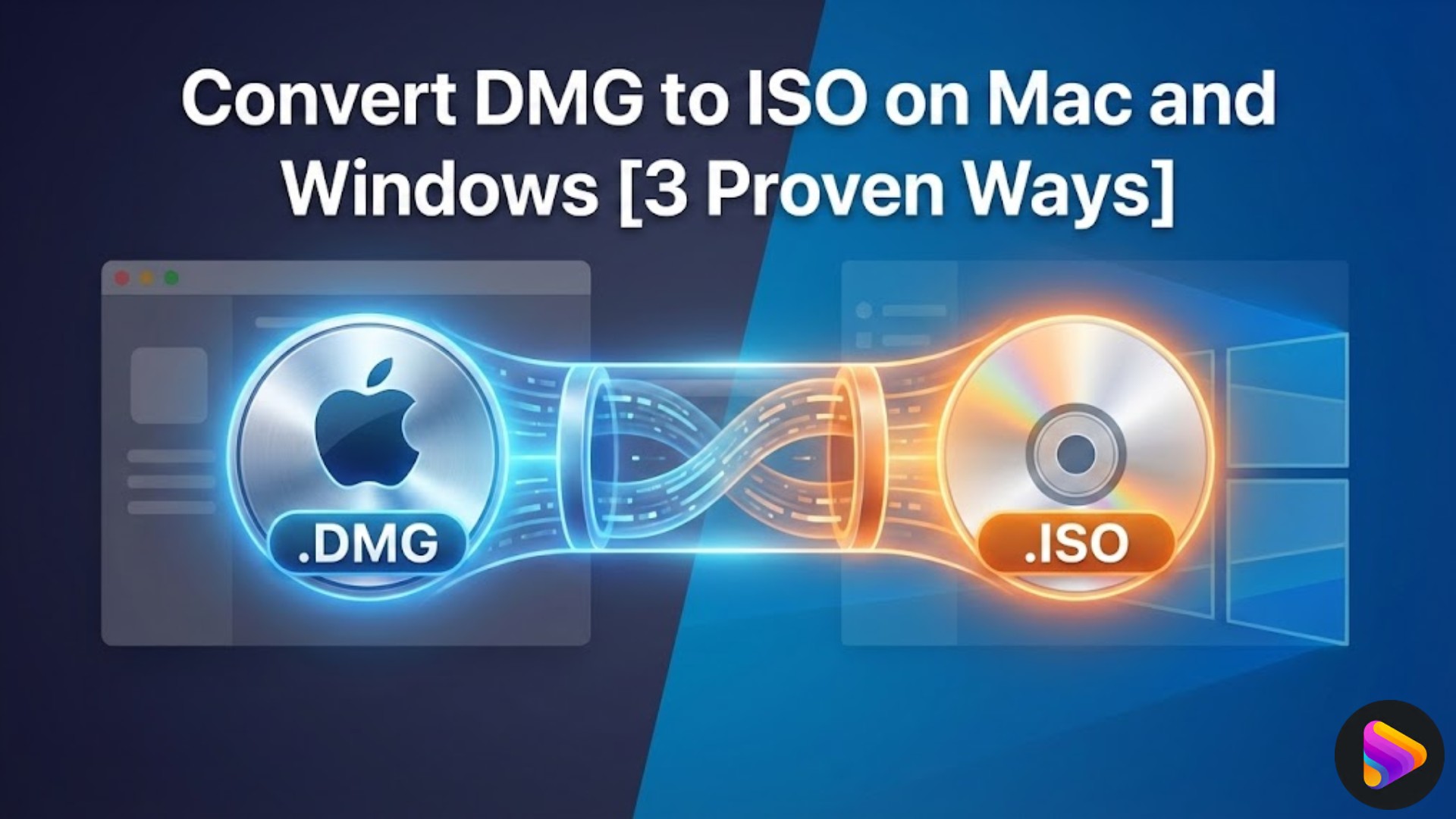
Convert DMG to ISO on Mac, Windows, or Linux: 5 Methods

Summary: Converting a DMG does not automatically produce a true ISO, even when the filename ends in .iso. This guide compares Mac, Windows, Linux, and online methods by their actual output, then shows how to check mounting, virtual machine use, bootable USB compatibility, and video ISO playback.
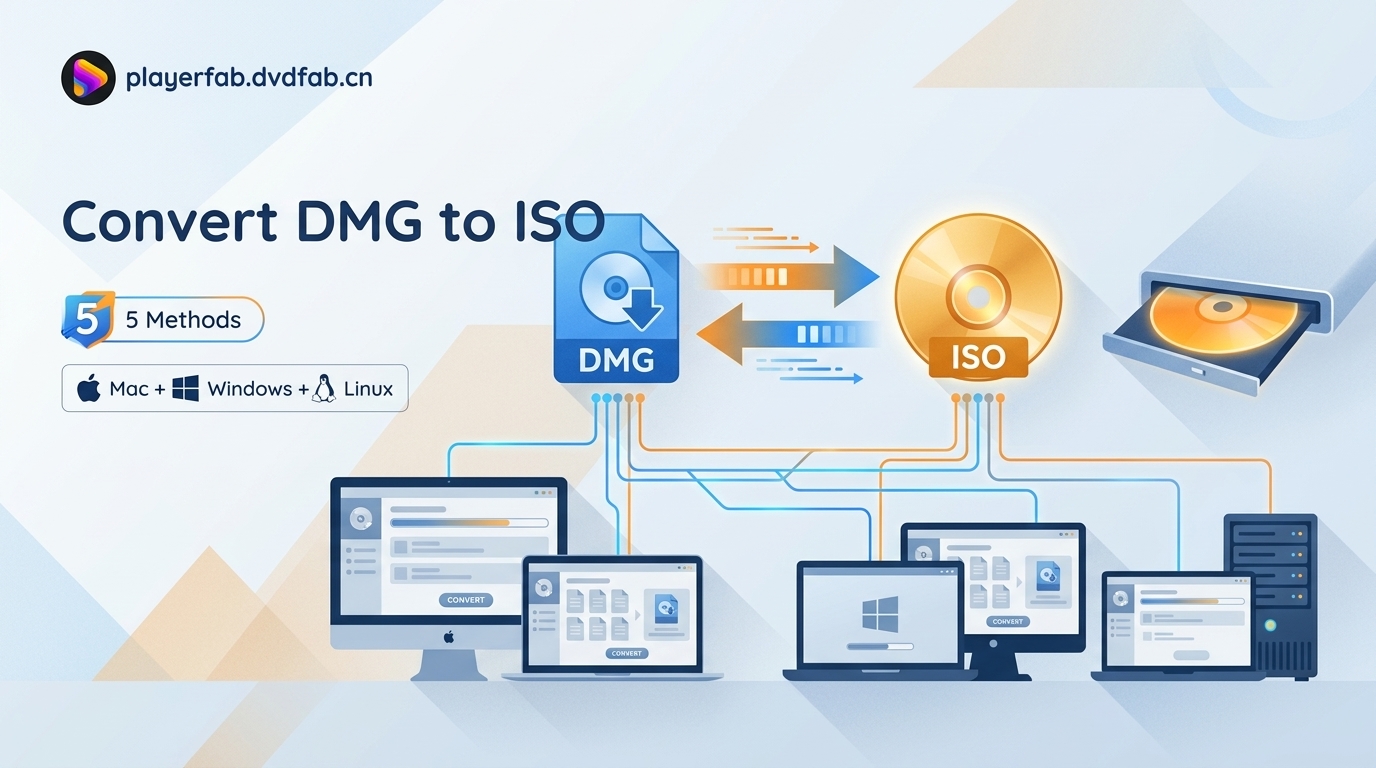
Table of Contents
If you need to convert DMG to ISO for Windows access, a virtual machine, or bootable media, choose by the required output rather than the shortest command. A renamed CDR or dmg2img file may not be a true ISO, so validation is part of the conversion.
For a DMG to ISO Mac workflow, Disk Utility offers a familiar interface while Terminal can create a hybrid ISO directly. For DMG to ISO Windows or Linux tasks, first decide whether an HFS+ IMG disk image is sufficient or the destination specifically requires ISO structure.
DMG, ISO, CDR, and IMG Compared
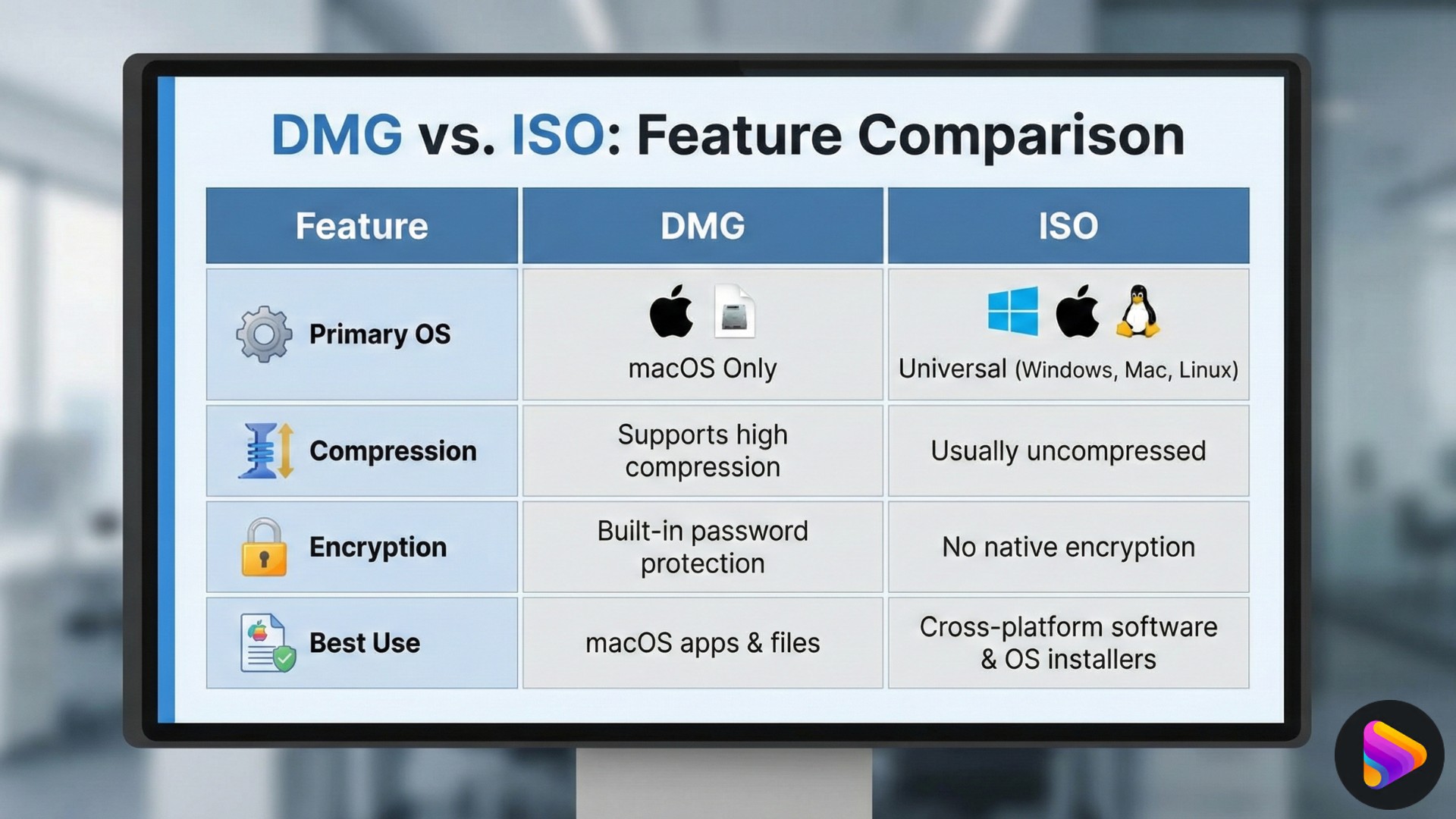
DMG vs ISO is not just a filename question. DMG, CDR, ISO, and IMG can contain different filesystems and disc structures, and changing an extension does not change the underlying image.
- DMG: Apple’s disk-image container, often used for Mac applications, archives, recovery images, compression, or password-protected data.
- ISO: A disc-image format commonly accepted by Windows mounting tools, optical-disc software, and many virtual machines, provided the image contains a compatible structure.
- CDR: Disk Utility’s DVD/CD Master output. Some software can read it, but renaming .cdr to .iso does not create true ISO output.
- IMG: A broad disk-image label. dmg2img normally produces an HFS+ IMG disk image, even if the destination filename is typed with an .iso extension.
The practical diagnostic is simple: inspect what the tool created, then test it in the destination environment. I would choose by destination compatibility, not by whichever command has the fewest characters.
Choose the Right Conversion Method
A DMG to ISO converter is useful only when its actual output matches your goal. Use conversion software or online services for files you own or are authorized to process, and follow software licenses, service terms, and local law.
| Method | Operating system | Interface | Actual output format | Cost | Best use case | Main caveat |
|---|---|---|---|---|---|---|
| Disk Utility | macOS | GUI | CDR with DVD/CD Master | Included with macOS | Mac users who want a visual workflow | Not ideal when the destination strictly validates ISO structure |
| hdiutil Terminal | macOS | Command line | Hybrid ISO when the source is compatible | Included with macOS | A true ISO output for Windows or VM testing | Not ideal for readers uncomfortable with file paths |
| AnyBurn or PowerISO | Windows | GUI | ISO when the source format is supported | Free option or paid software | Windows users whose destination requires ISO | Encrypted or unusual DMGs may not convert successfully |
| dmg2img on Windows | Windows | Command line | HFS+ IMG disk image | Free and open source | Extracting or inspecting compatible Mac image data | Not suitable when an application demands a verified ISO container |
| dmg2img on Linux | Linux | Command line | HFS+ IMG disk image | Free and open source | Linux inspection, extraction, or mounting workflows | Conversion does not establish bootable USB compatibility |
| Online converter | Any system with a browser | Web | Varies by service | Varies | Small, non-sensitive, unencrypted files | Upload limits, privacy exposure, encryption limits, and large-image failures |
The decision framework is straightforward: choose Disk Utility for a Mac GUI path, hdiutil when ISO structure matters on Mac, a true-ISO-capable GUI tool on Windows, and dmg2img when HFS+ IMG is acceptable. DMG to ISO online conversion is a limited convenience option rather than a default for installer or recovery images.
Convert DMG on Mac with Disk Utility
For DMG to ISO on Mac without commands, Disk Utility is the easiest starting point, but its DVD/CD Master setting creates a CDR. Treat that CDR as an intermediate image when the destination requires a verified ISO.
Step 1: Mount the DMG File
Locate the DMG in Finder and double-click it. If the image is encrypted, enter the valid password supplied for that file. Do not use this workflow to defeat encryption or access files without authorization.
Step 2: Launch Disk Utility
Open Finder, select Applications > Utilities, and launch Disk Utility.
Step 3: Initiate Conversion
Select the mounted image in the sidebar, then choose the conversion command available in the Disk Utility menu.
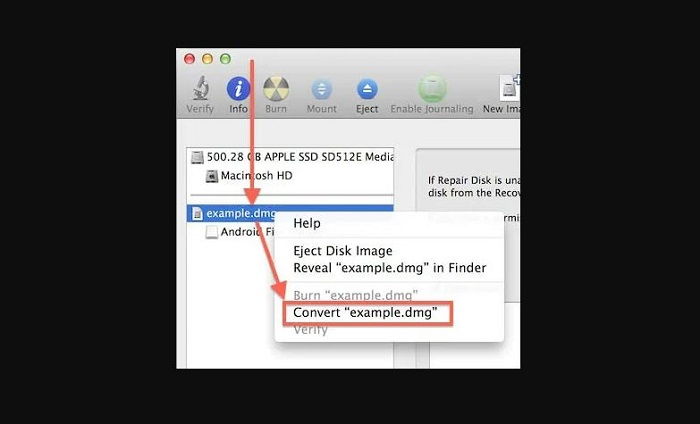
Step 4: Configure Output Settings
Choose DVD/CD Master as the image format and select a destination folder. Leave encryption off for a broadly readable output unless your authorized workflow specifically requires a protected image.
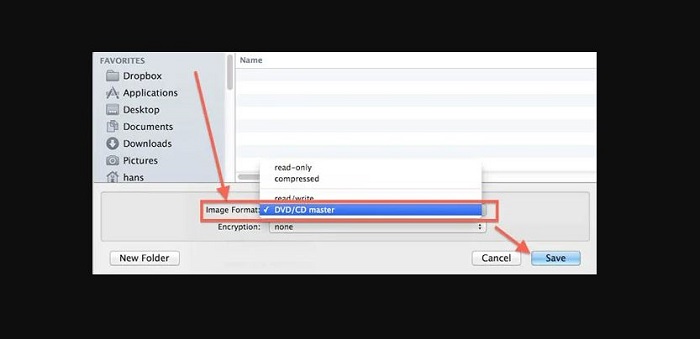
Step 5: Create a True ISO
Save the image and note that Disk Utility produces a .cdr file. Renaming it to .iso may work in some readers, but it does not change the image structure and should not be assumed compatible with Windows, a virtual machine, or bootable media.
When a true cross-platform ISO is required, use the Terminal makehybrid route in the next section with the CDR or mounted source as input, then verify the resulting format. This GUI-first path suits Mac users who prefer visible controls; it is a poor fit when the destination rejects anything except validated ISO structure.
Convert DMG on Mac with Terminal
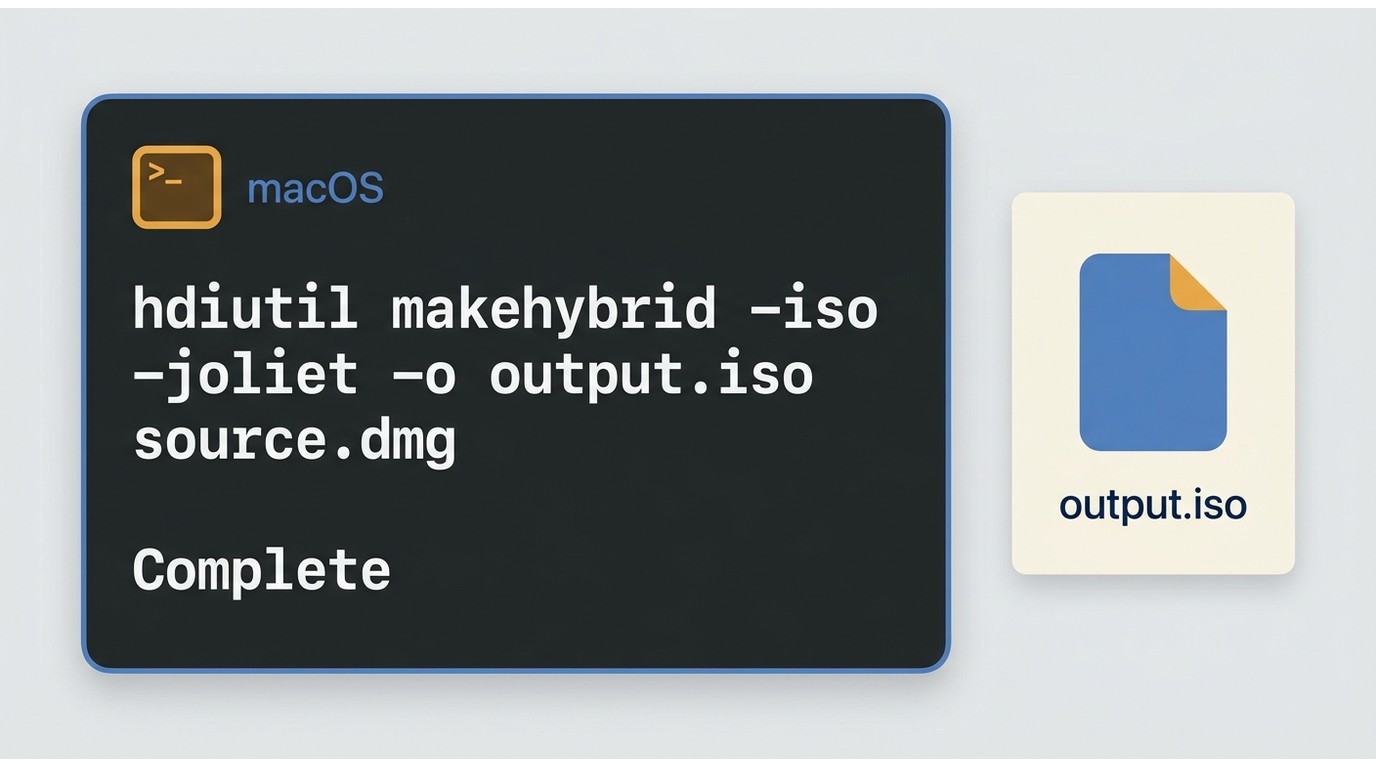
To convert DMG to ISO directly on macOS, hdiutil makehybrid is the stronger route when Windows software or a virtual machine expects ISO structure. The trade-off is careful path handling.
Step 1: Open Terminal
Open Applications > Utilities > Terminal, or launch it with Spotlight.
Step 2: Unmount the DMG Image
If the DMG is mounted in Finder, eject it before conversion to avoid a file-in-use conflict. Keep the source DMG unchanged as a backup.
Step 3: Enter the Hybrid Command
Run hdiutil makehybrid -iso -joliet -o output.iso source.dmg, replacing the filenames with the correct paths. Dragging a file from Finder into Terminal can insert its path and reduce typing mistakes.
Step 4: Confirm the ISO Output
A completed command means an output file was written, not that it will satisfy every destination. Mount the file, inspect its contents, and test it in the intended Windows application or virtual machine before deleting the original DMG.
My preference is Terminal when the target explicitly asks for ISO, because the command states the intended container instead of relying on a renamed CDR. Readers who are not comfortable checking paths should stay with a GUI tool and perform the same output validation.
Convert DMG on Windows: ISO or IMG
A DMG to ISO Windows workflow starts with one decision: do you need a true ISO, or is an HFS+ IMG disk image enough? AnyBurn or PowerISO targets the first goal, while dmg2img targets the second.
Step 1: Choose ISO or HFS+ IMG
Choose a true-ISO-capable GUI tool when a VM, disc utility, or other destination explicitly requires ISO. Choose dmg2img when you need to extract, inspect, or mount compatible Mac image data and the destination accepts IMG.
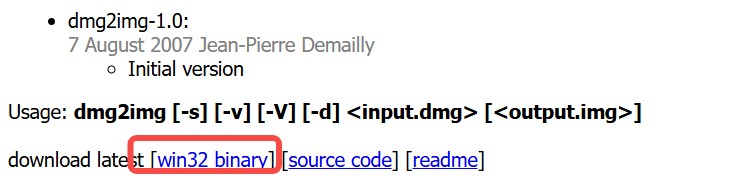
Step 2: Run the Selected Tool
In AnyBurn or PowerISO, open the DMG, select ISO as the destination format, and save to a folder with enough space. In dmg2img, extract the downloaded package, open Command Prompt in that folder, and run dmg2img source.dmg destination.img.
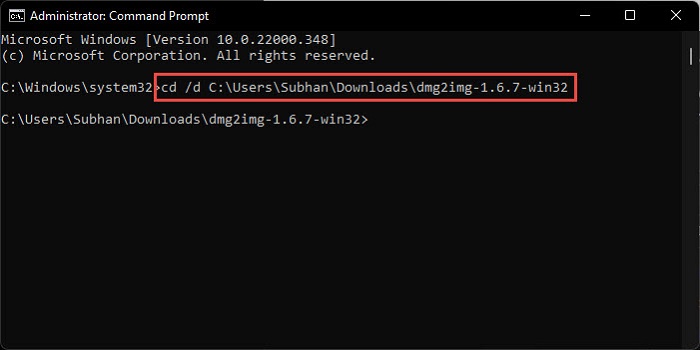
If one tool cannot parse the source, return to the goal rather than repeatedly changing extensions. Use another true-ISO-capable application for an ISO requirement, or extract readable files with a compatible archive utility when conversion is unnecessary.
Step 3: Verify the Output Format
Do not label dmg2img output as ISO merely because the filename ends in .iso. Use .img for clarity, mount or inspect the image with a compatible utility, and confirm that the reported structure matches the software that will consume it.
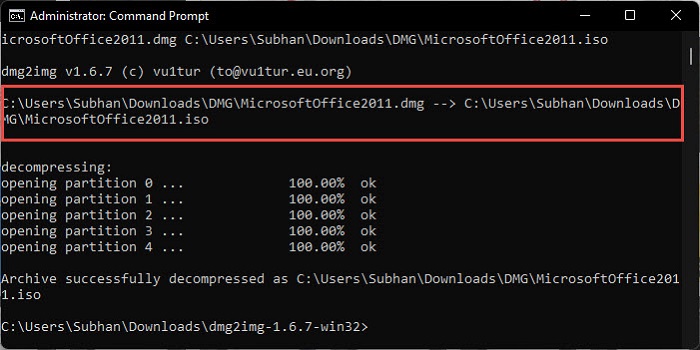
A Windows GUI route is better for readers who need ISO and want visible format choices. dmg2img is better for command-line users who understand that the result is HFS+ IMG, not a universal replacement for ISO.
Convert DMG on Linux with dmg2img
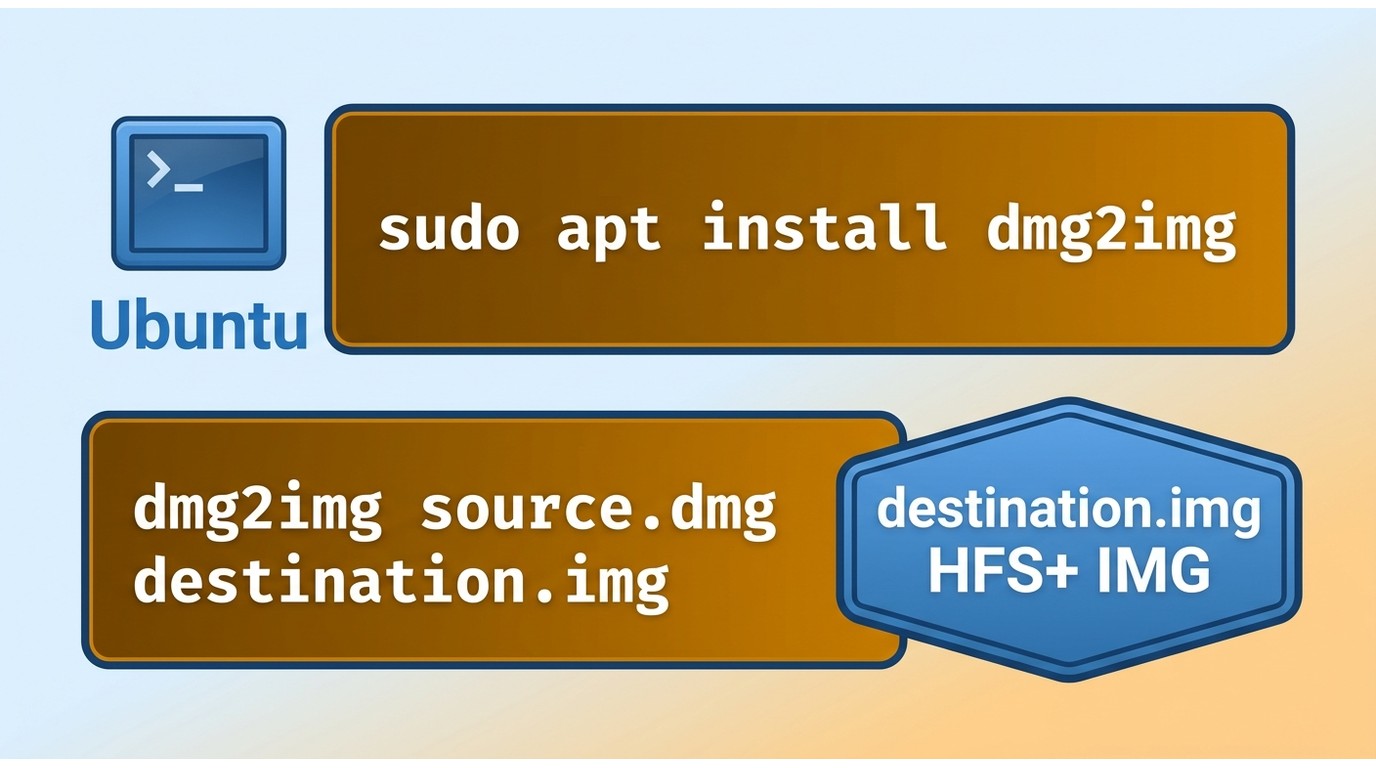
For DMG to ISO on Linux, dmg2img converts compatible DMG data into HFS+ IMG. This route supports inspection and extraction, but it does not create missing boot information.
Install dmg2img
On Debian or Ubuntu, install the packaged tool with sudo apt install dmg2img. Other distributions may provide it through their package manager or require a build from the project source.
Convert DMG to HFS+ IMG
Run dmg2img source.dmg destination.img. Keep the .img extension so the filename communicates the actual output instead of implying a true ISO.
Check Bootability Separately
Mount or inspect the IMG first. If the end goal is a bootable USB, confirm that the source contains a suitable boot layout and that the target hardware supports it. Writing the IMG to a drive cannot add boot files that were absent from the source.
This method fits Linux users who need access to an HFS+ IMG disk image. It does not fit a workflow that assumes any converted image will start a PC or virtual machine automatically.
Verify and Use the Converted Image
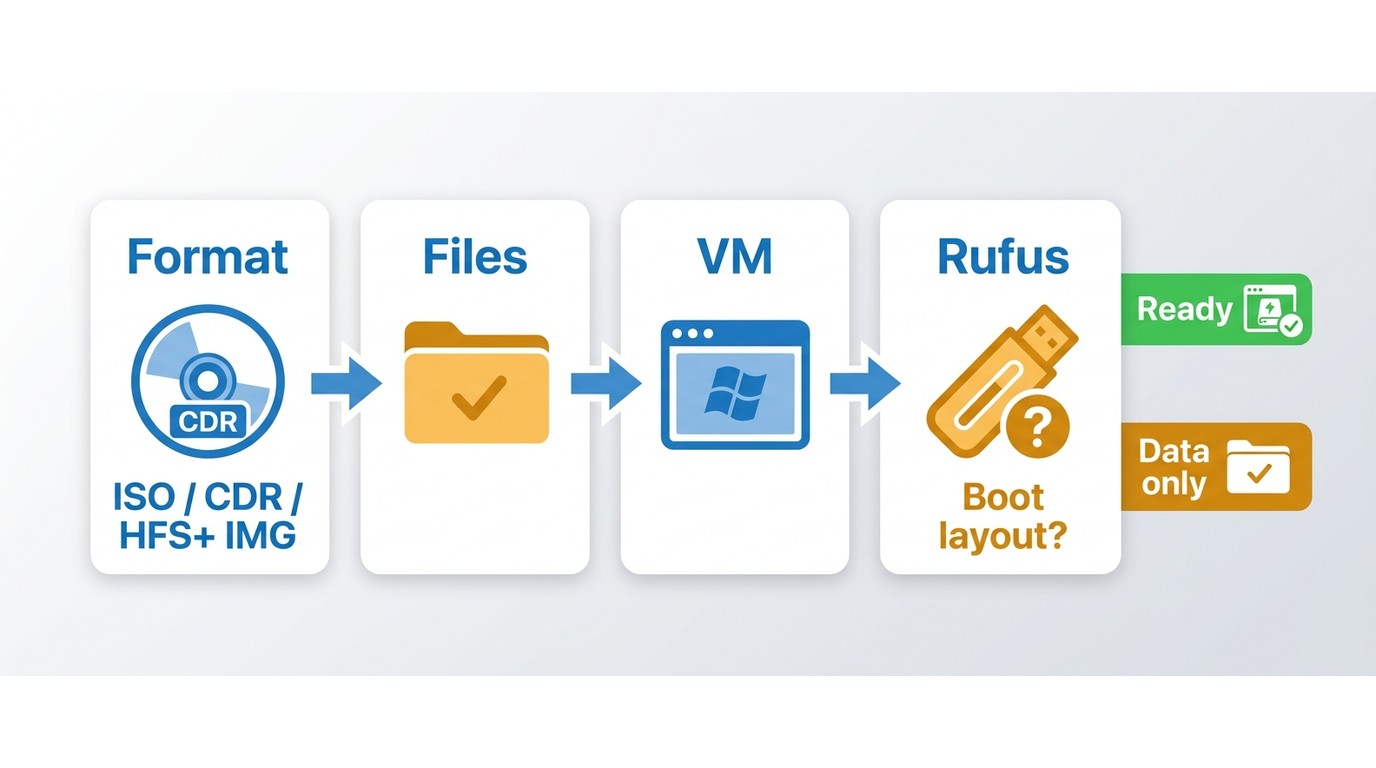
Validation against the end goal is the step many conversion guides skip. Check the real format, readable contents, and destination behavior before treating the job as complete.
Confirm ISO, CDR, or HFS+ IMG
- Mount or inspect the image with a tool that reports its format and filesystem.
- Confirm that the expected folders and files are present.
- Keep the original DMG until the converted image has passed its intended test.
- For an encrypted archive, use the legitimate password and confirm that protected data remains accessible after the chosen workflow.
Check VM and Bootable USB Compatibility
Virtual machine compatibility and bootable USB compatibility are separate from file conversion. Attach the image to the intended VM and confirm that it is recognized; for USB use, confirm the image has a bootable layout before writing it with Rufus or another imaging utility.
A Mac application DMG, an encrypted archive, a recovery image, and an optical-disc image have different end states. A successful mount may be enough for data access, while VM startup or USB startup requires boot information and compatible architecture.
Mount, Extract, or Play the Image
Mount data or installer images to browse their contents, and use a compatible archive tool when you only need individual files. A Mac application inside a DMG does not become a Windows application simply because its container changed.
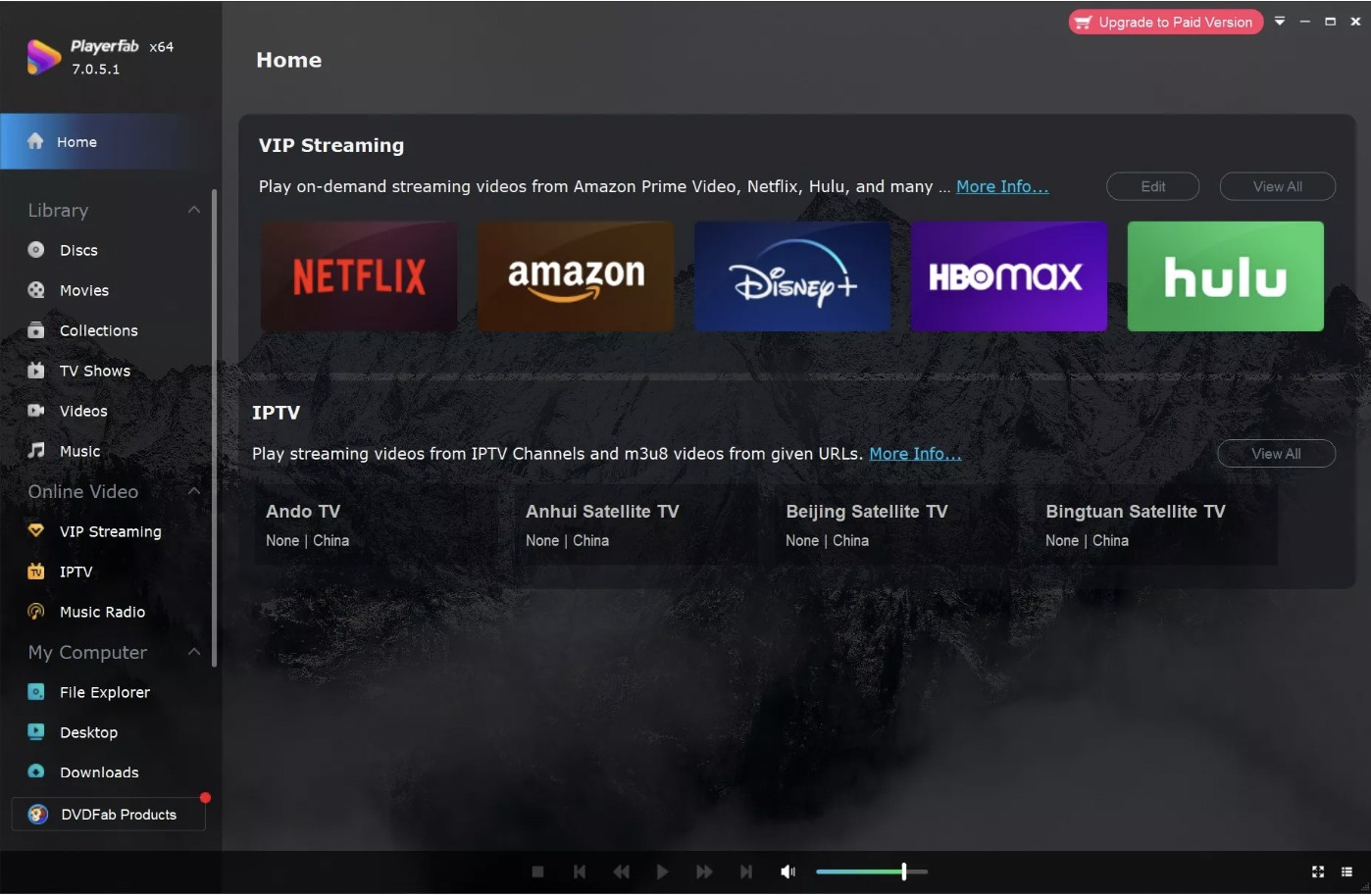
For a confirmed video ISO containing a supported DVD or Blu-ray structure that you lawfully own, PlayerFab DVD Player can provide menu-based playback on Windows or macOS. It is not useful for app installers, data images, VM boot images, or creating bootable media. Its disc-focused controls also apply when deciding how to play DVD on a laptop with menu navigation.
FAQs
Can I Convert an Encrypted DMG File?
Yes, if you have the valid password and the selected tool supports that encryption method. Unlock it through the normal password prompt, keep sensitive files off online conversion services, and use the image within the permissions granted by its owner and license.
Does Conversion Preserve macOS Metadata?
Not in every workflow. Moving between containers or filesystems can affect permissions, extended attributes, encryption behavior, and other Mac-specific metadata. Keep the original DMG and compare important files before relying on the converted copy.
Can Windows Open DMG Without Conversion?
Windows does not natively mount DMG files like ISO files, but a compatible archive utility may extract readable contents. That can be enough for documents or data; it will not make a Mac application run on Windows.
Why Does Rufus Reject My Converted Image?
Rufus may reject it because a renamed CDR or dmg2img output is not a PC-bootable ISO, or because the source lacks a compatible boot layout. Writing an image to USB copies what is present; it cannot create missing boot data or change the target architecture.
Conclusion
To convert DMG to ISO, choose by the required result: Disk Utility for a Mac GUI and CDR intermediate, hdiutil for direct ISO creation on Mac, a true-ISO GUI tool on Windows when ISO structure is required, dmg2img on Windows or Linux for HFS+ IMG access, and online conversion for small non-sensitive files. Test VM or bootable-media compatibility separately before discarding the source.

![Play DVDs on Windows 10/11: 4 Methods and Fixes [2026]](https://r4.dvdfab.cn/upload/player/en/how-to-play-dvds-on-windows-10-BykI.jpg) Play DVDs on Windows 10/11: 4 Methods and Fixes [2026]By Alice Harper - Jul 29, 2026
Play DVDs on Windows 10/11: 4 Methods and Fixes [2026]By Alice Harper - Jul 29, 2026 8 Best DVD Players for Windows 10/11 (Free and Paid, 2026)By Alice Harper - Jul 29, 2026
 How to Play a DVD on a Laptop: 3 Methods That WorkBy Alice Harper - Jul 29, 2026
 How to Play VOB Files: VLC, DVD Menus, and MP4 ConversionBy Alice Harper - Jul 23, 2026